




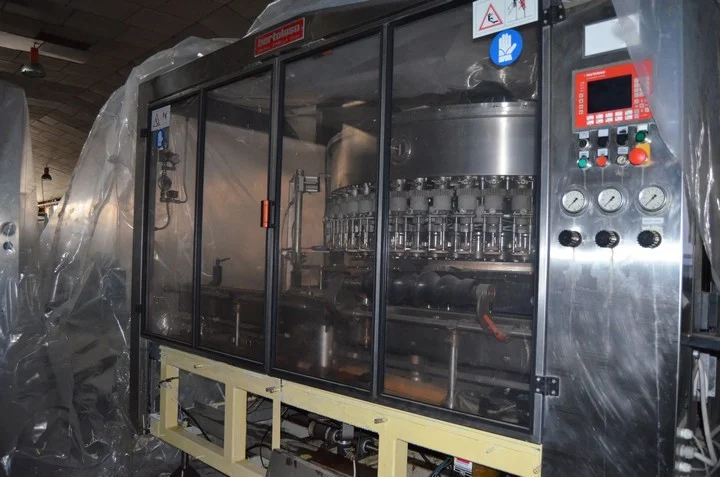


Used Bottling Lines: Complete Production Systems
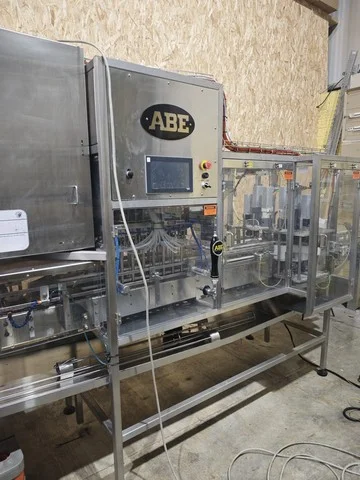
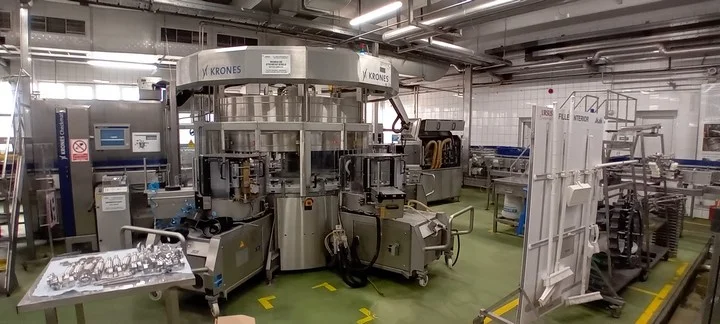
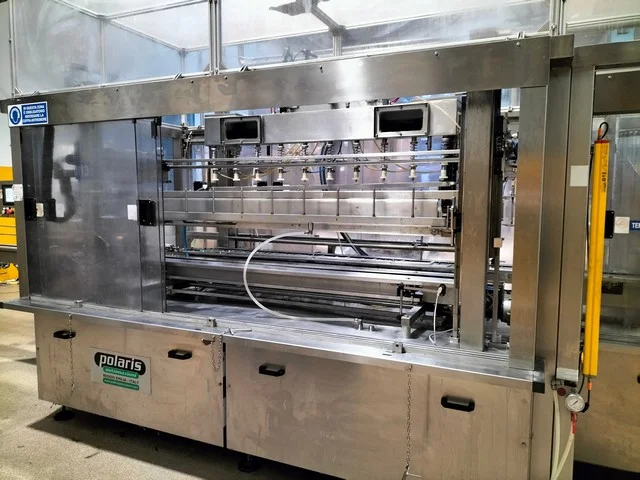
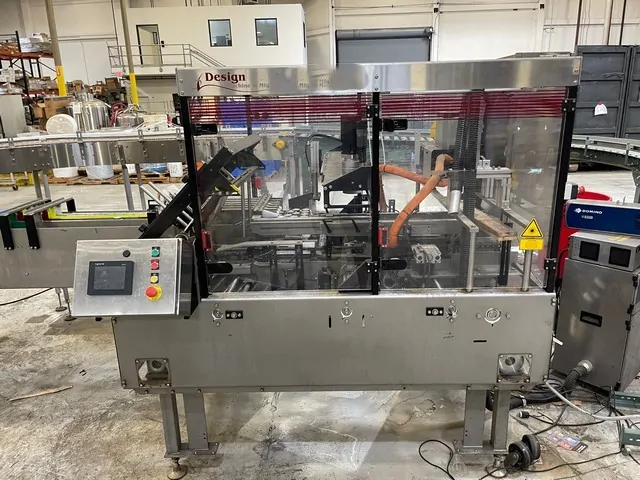
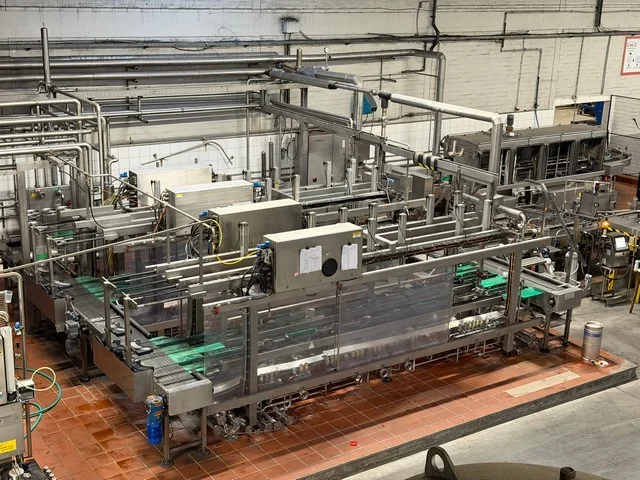
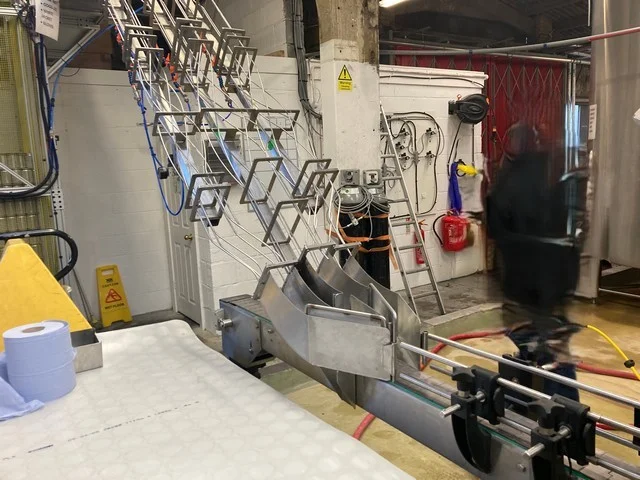
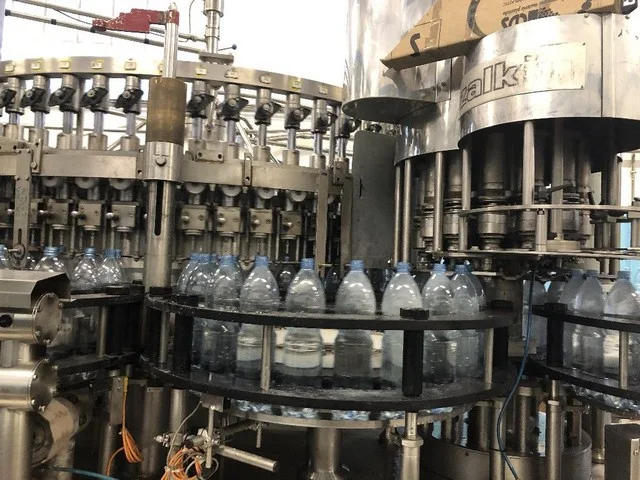
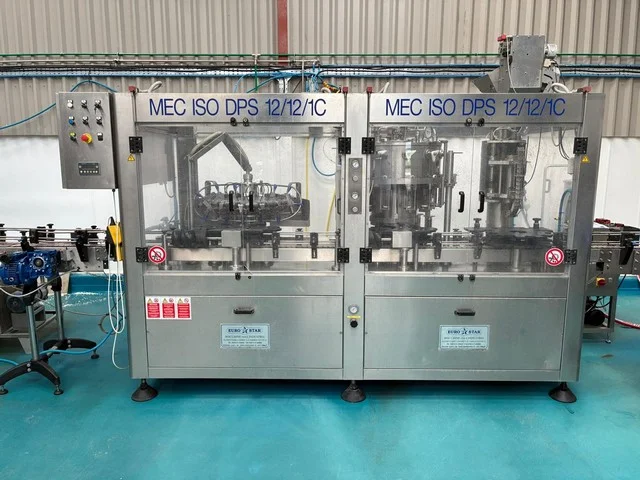
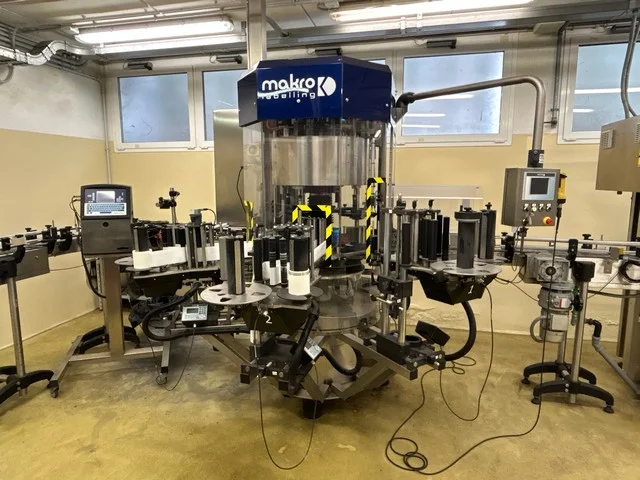
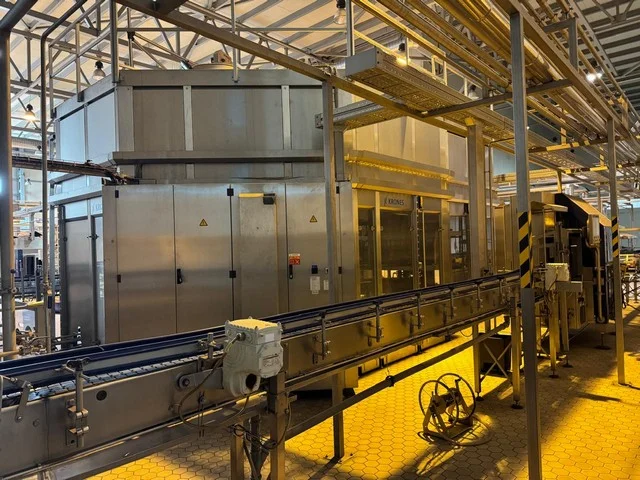
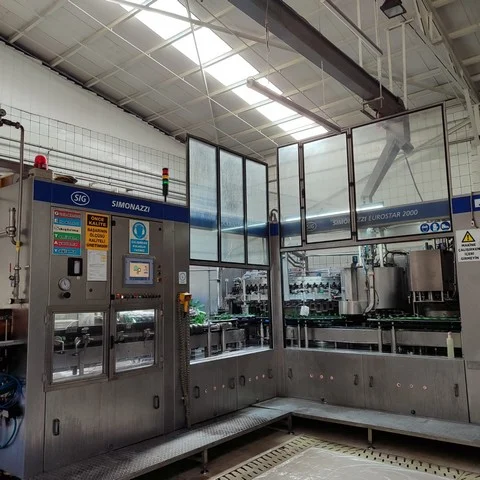
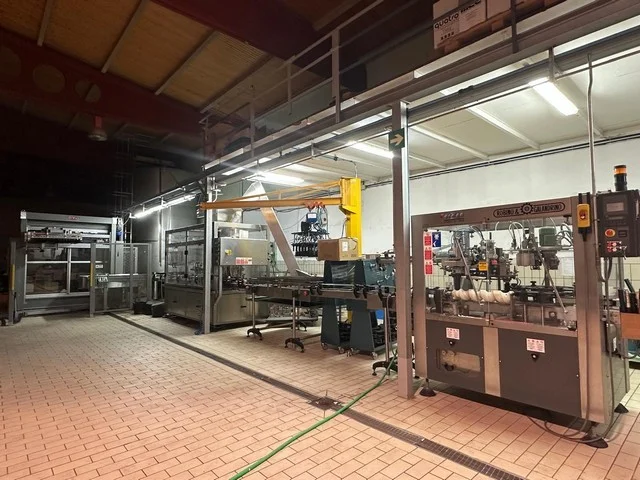
A used bottling line combines the machines required to move containers from preparation through filling, closing, labelling and final packaging. Depending on the product and container, a line may include a depalletizer, bottle washer or rinser, inspection equipment, filler, capper or corker, labeller, case packer or shrink wrapper, conveyors and palletizing equipment.
PET, Glass, Can and Carton Configurations
Bottling line architecture changes substantially with the container. PET lines may start with preforms and a stretch blow moulder before filling. Glass lines may require bottle washing, rinsing and more robust container handling. Can lines typically combine empty-can depalletizing, rinsing, filling, seaming and downstream packaging. Carton and aseptic systems use dedicated filling and closure technologies.
Choosing a Used Bottling Line
The most important selection factors are the product, container material and format, nominal output, filling technology, closure type, labelling method, available floor space, electrical standard and the level of automation required. Buyers should also check whether format parts, PLC programs, manuals, change parts and upstream or downstream equipment are included with the line.
Filling Technology and Product Compatibility
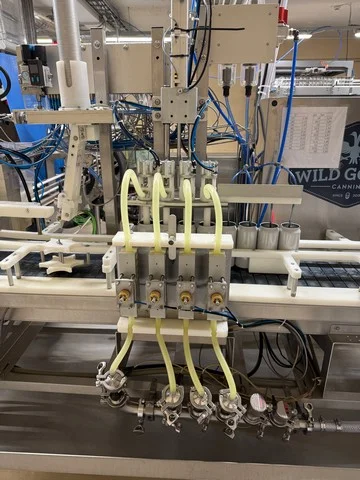
Still water, wine, edible oil and other non-carbonated products may use gravity, vacuum, volumetric or flow-meter filling depending on the application. Beer, sparkling wine, CSD and other carbonated products normally require isobaric or counter-pressure filling. Product temperature, viscosity, foaming behaviour and hygiene requirements all influence line configuration.
Manufacturers and Integration
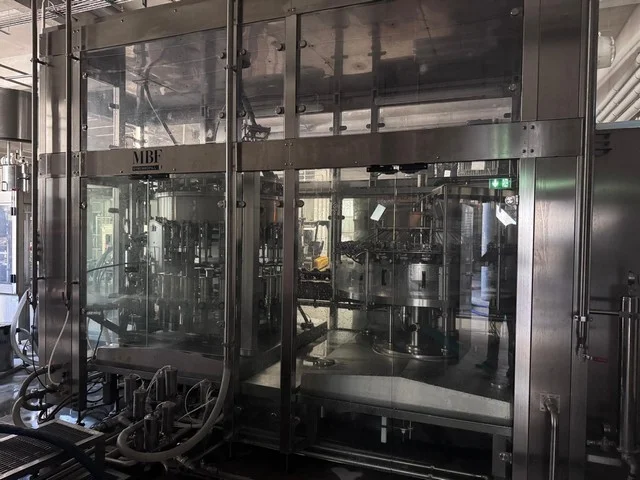
Used bottling lines frequently combine equipment from different OEMs. Common manufacturers in the international beverage industry include Krones, KHS, Sidel, GEA, Procomac, SACMI, Bertolaso, GAI, MBF, Kosme, SMI and others. Compatibility between machines is determined by actual line layout, container transfer, controls, speeds and utilities rather than brand name alone.
What to Check Before Buying
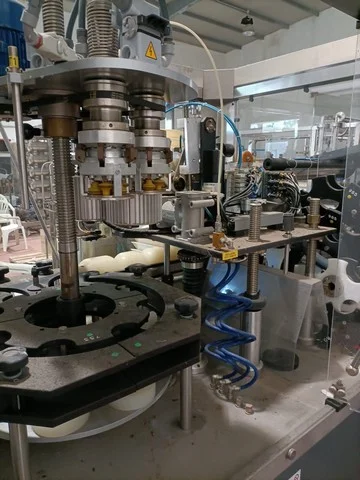
Review the complete machine list and layout, production history, last product and formats processed, electrical and PLC documentation, condition of filling and closing components, conveyor interfaces, safety systems and the availability of change parts. A complete technical review should distinguish the nominal speed of individual machines from the sustainable output of the integrated line.
BottlingScout groups current used bottling equipment by line type, container, manufacturer and machine category so buyers can compare complete systems with individual machines that may be integrated into an existing plant.