








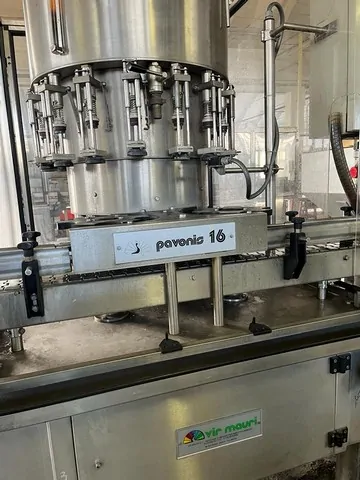
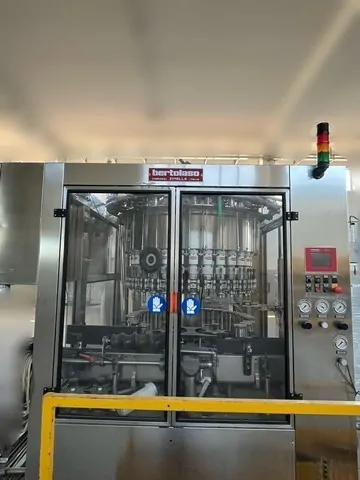
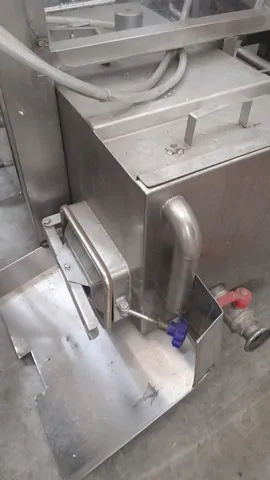
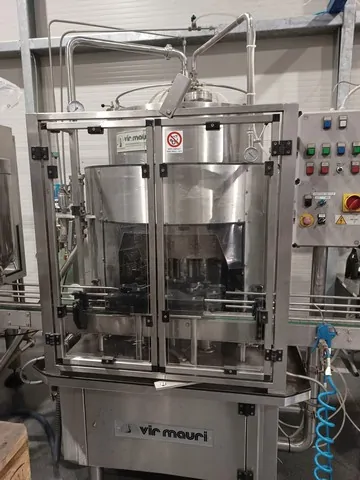
Used Filling Machines
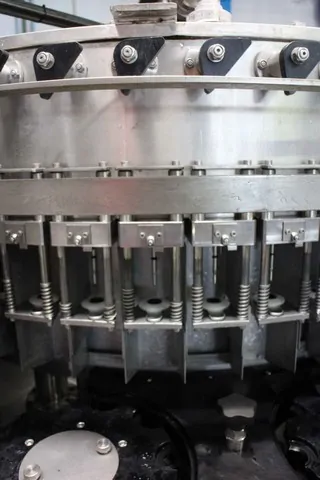
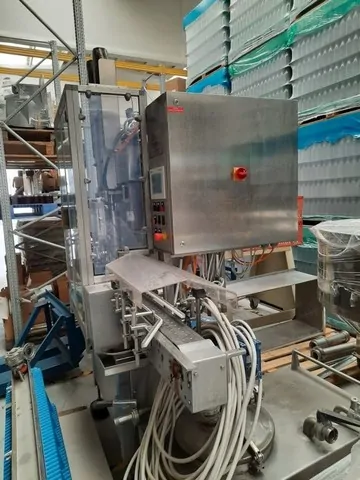
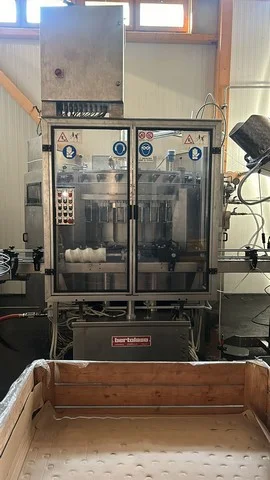
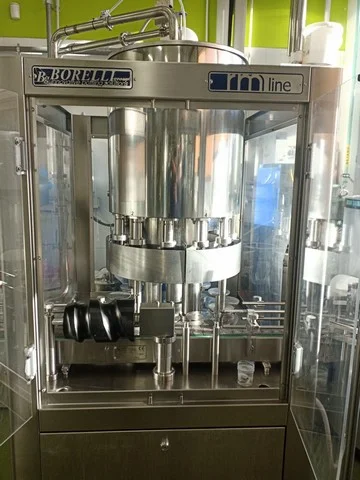
Filling machines dose a liquid product into bottles, cans or other containers and are one of the most application-specific machines in a bottling line. Selecting the correct used filler requires matching the filling principle to the product, carbonation level, viscosity, temperature, container and target output.
Gravity, Vacuum, Isobaric and Volumetric Fillers
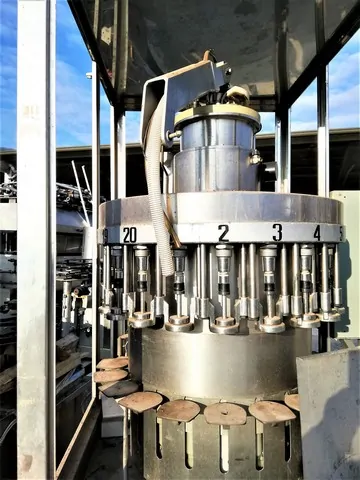
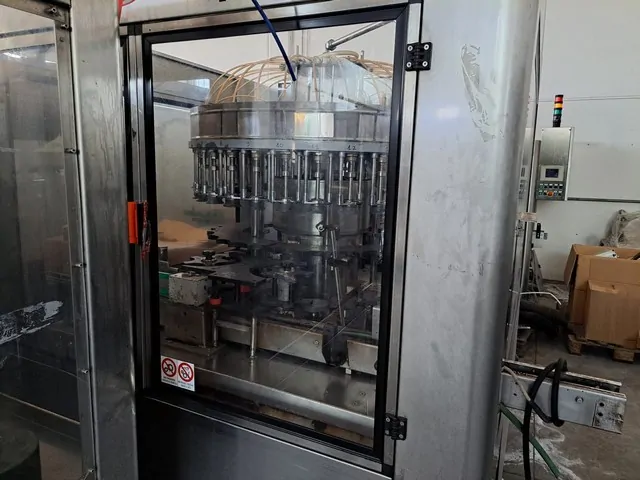
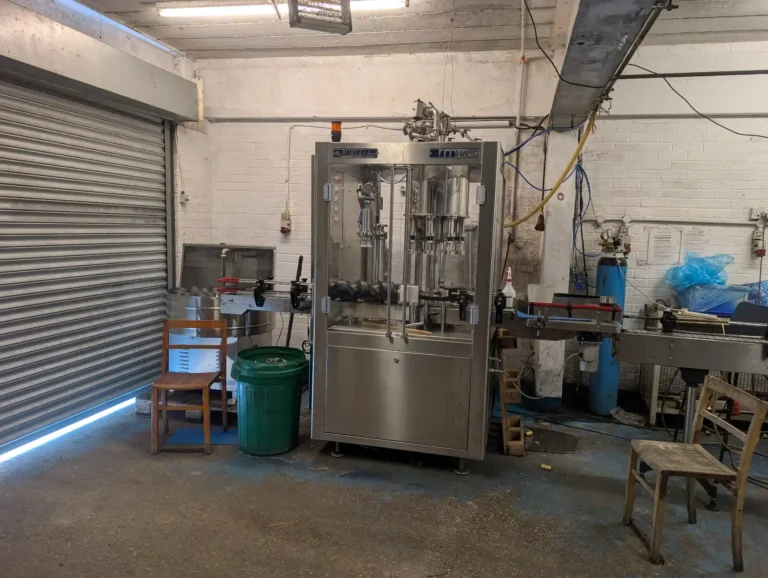
Gravity fillers are commonly used for still, low-viscosity products. Vacuum and high-vacuum systems are frequently found in wine and other glass-bottle applications. Isobaric or counter-pressure fillers are designed for carbonated beverages such as beer, sparkling wine, CSD and sparkling water. Volumetric or flow-meter systems control the delivered quantity and can suit a wide range of liquid products.
Rotary and Linear Machines
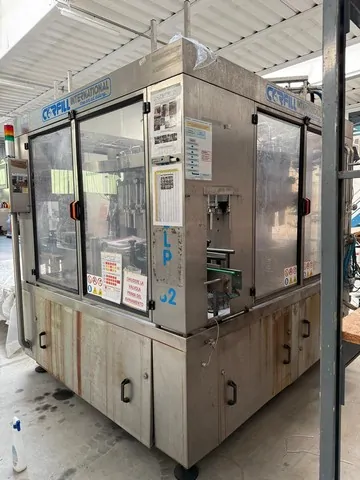
Rotary fillers are common at medium and high production speeds, while linear fillers can be appropriate for lower outputs, larger containers or applications requiring greater format flexibility. Integrated rinser-filler-capper monoblocks combine several process steps on one platform and are listed separately from standalone fillers.
What to Compare
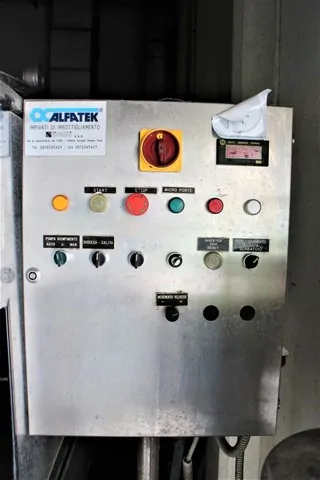
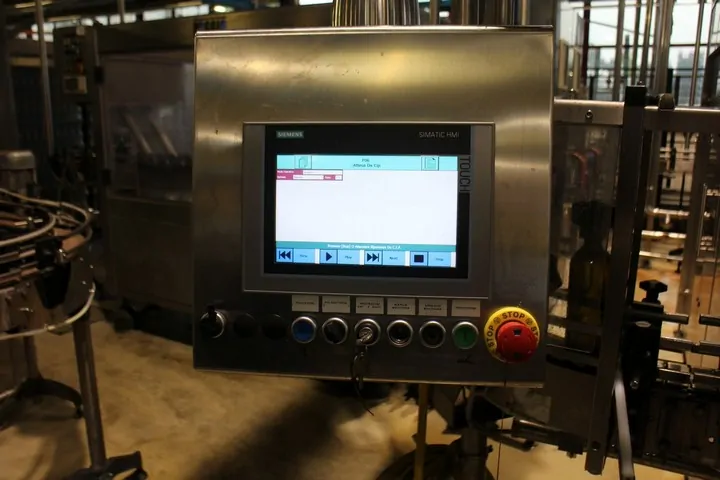
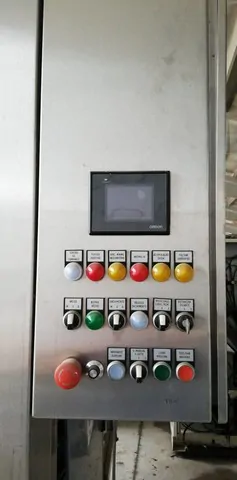
Check the number and type of filling valves, container formats, product-contact materials, filling temperature, pressure requirements, CIP configuration, tank design, height adjustment, direction of rotation, controls, included change parts and actual production history. Nominal speed should always be evaluated together with the product and bottle format on which it was achieved.
Manufacturers
Used filling equipment can be found from Krones, KHS, Sidel, GEA, Bertolaso, MBF, GAI, Fimer, Procomac, Kosme, AVE, CFT and many other OEMs. The correct machine is determined by technical compatibility rather than manufacturer alone.
BottlingScout groups standalone filling machines by technology and application so buyers can compare gravity, high-vacuum, isobaric and volumetric options alongside complete filling monoblocks.