



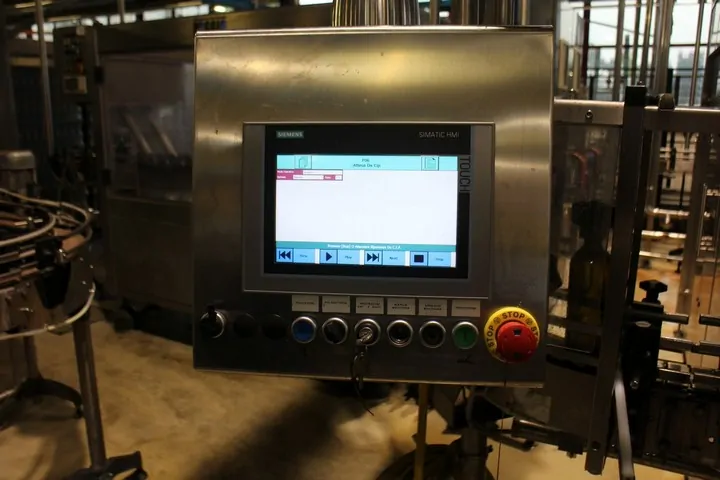
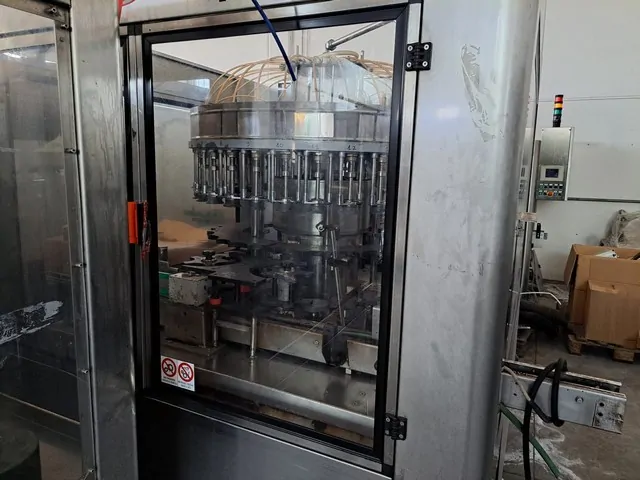
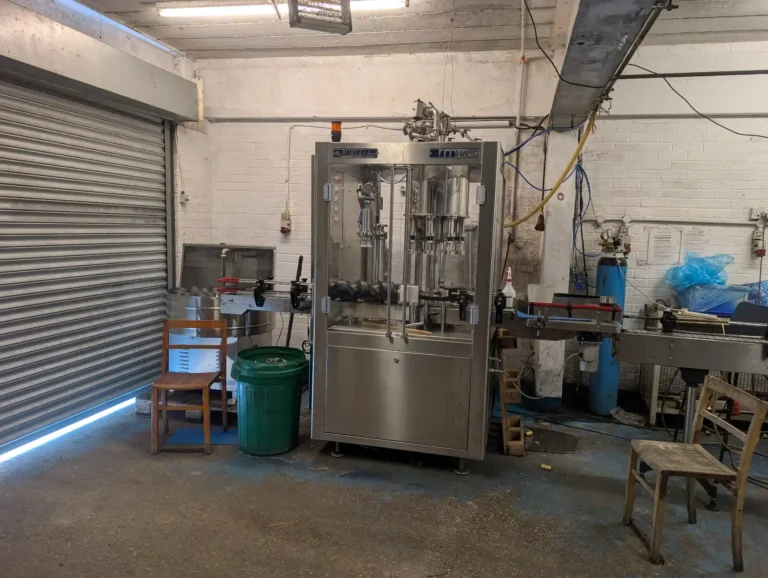

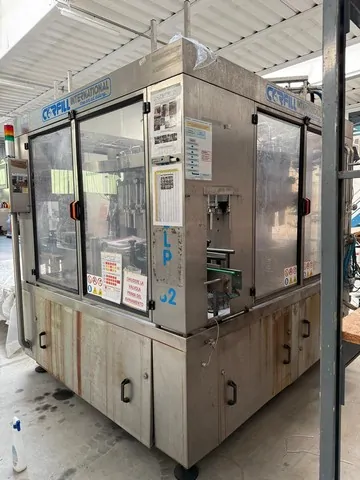



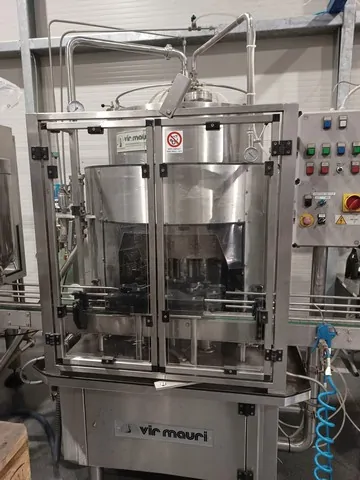
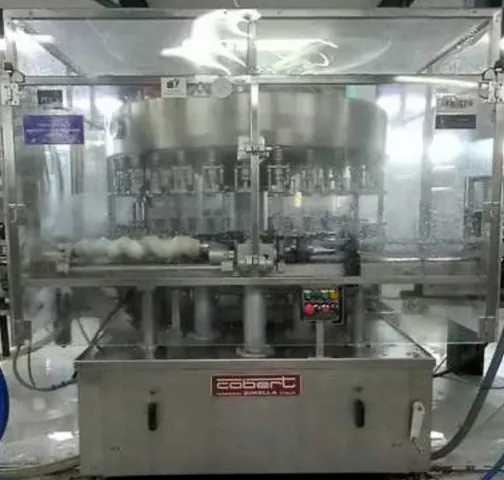

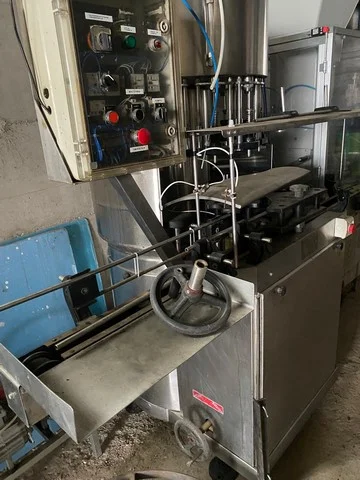
Used Filling Monoblocks
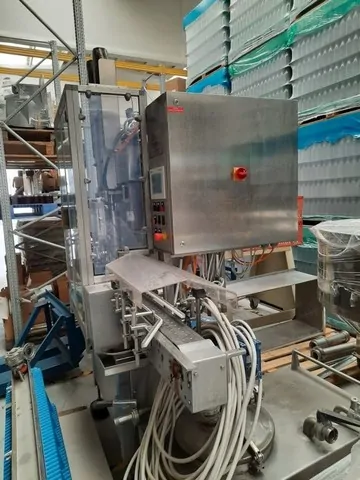
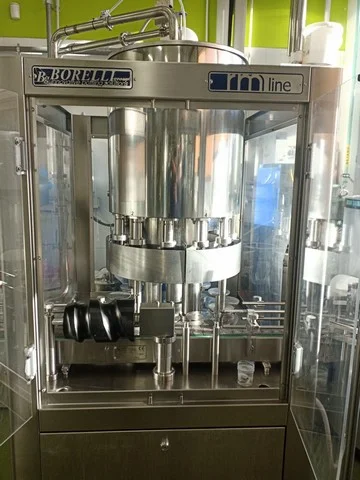
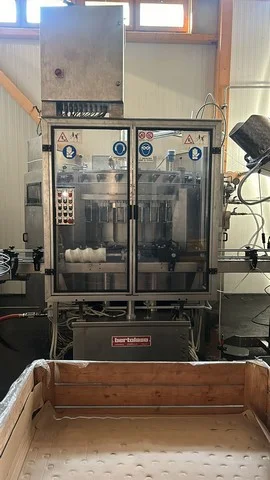
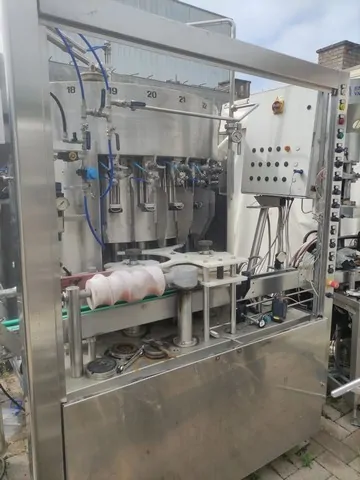
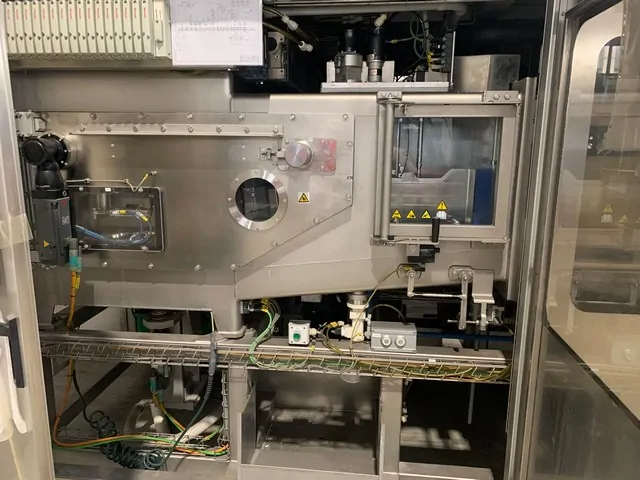
A filling monoblock, also searched as a bottle filling monoblock, integrates two or more bottling operations on a common machine platform. Typical configurations include rinser-filler-capper, filler-capper and filler-corker combinations. The integrated design reduces intermediate conveyors and container transfers and can provide a compact solution for a new or existing bottling line.
Main Filling Technologies
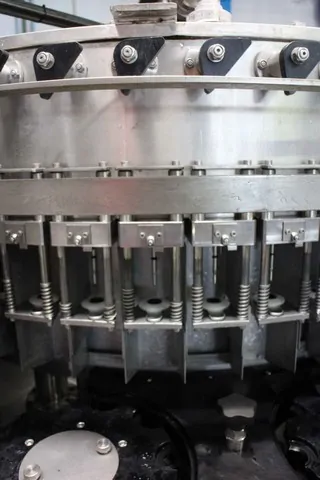
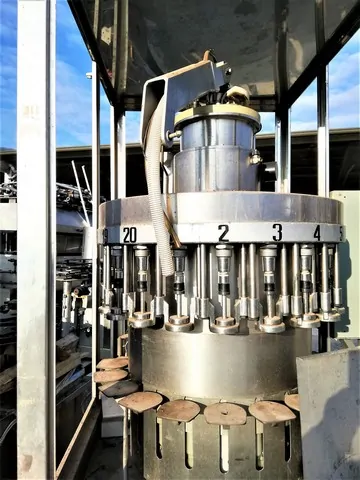
Gravity filling monoblocks are commonly used for still beverages and other low-viscosity products. High-vacuum configurations are frequently used for wine and similar applications. Isobaric monoblocks are designed for carbonated products including beer, sparkling wine, CSD and sparkling water. Volumetric systems control the quantity delivered to each container and can be used for a wide range of liquid products.
Integration Matters
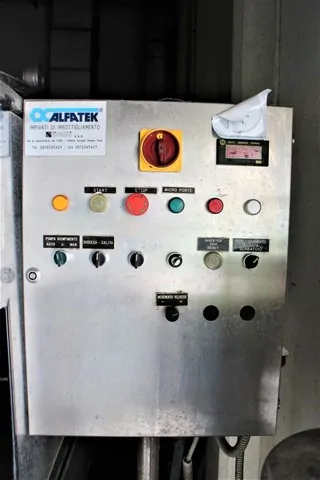
A monoblock must be evaluated as an integrated system. Rinser grippers, transfer star wheels, filling valves, capping or corking heads and format parts all need to match the intended bottle and closure. Line height, infeed and outfeed geometry, electrical standard, PLC architecture and downstream speed must also be compatible with the rest of the plant.
What to Check on a Used Monoblock
Confirm the exact configuration and number of stations, bottle and closure formats previously run, filling technology, product-contact materials, CIP system, condition of valves and seals, capper or corker tooling, lubrication, included format parts, PLC backups and technical documentation. Practical output varies with product and container even when the machine has a higher nominal rating.
Manufacturers and Applications
Filling monoblocks are produced by manufacturers such as Bertolaso, GAI, Fimer, MBF, Krones, KHS, Procomac, Cimec, Enoberg, AVE and other specialised OEMs. Used machines are available across wine, water, beer, soft drinks, spirits, oil and other liquid applications.
BottlingScout separates filling monoblocks into gravity, high-vacuum, isobaric and volumetric categories to make comparison by process technology easier.