
The Brewery Equipment Market
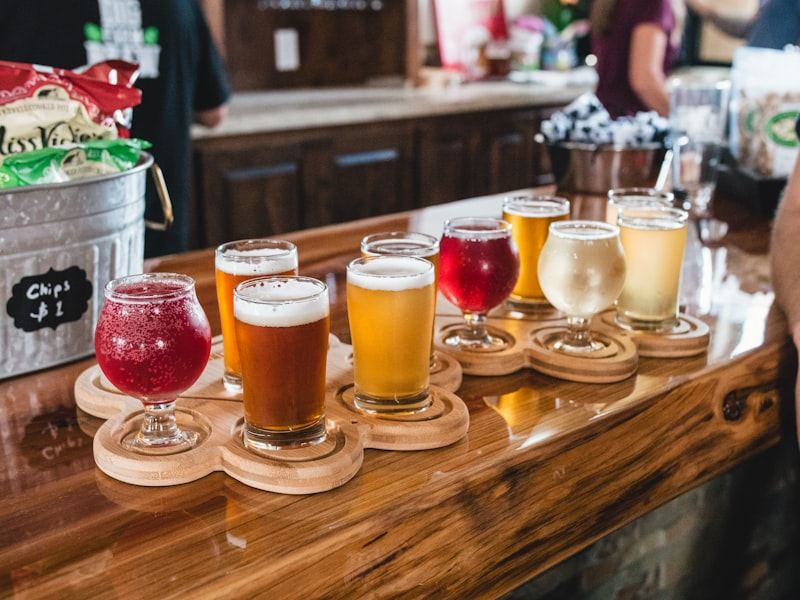
The craft beer revolution has created unprecedented demand for used bottling and canning equipment. New breweries entering the market, and established craft producers scaling up, frequently turn to the secondary equipment market to acquire filling lines at accessible price points. Used brewery equipment from manufacturers such as Krones, KHS, Comac, CFT, Criveller, and Wild Goose offers documented performance at significantly lower capital outlay.
Beer presents unique technical challenges compared to other beverages: it is carbonated, oxygen-sensitive, temperature-sensitive, and contains live yeast in unfiltered products. These factors make equipment selection particularly important for beer producers.
Canning vs Bottling: Choosing the Right Format
The shift toward cans in the craft beer industry has been dramatic. Cans offer complete light protection, faster chilling, lower transport weight, and higher recycling rates. However, glass bottles remain dominant in many European and premium markets.
| Factor | Glass Bottles | Aluminium Cans |
|---|---|---|
| Light protection | Amber glass offers moderate protection | Complete light barrier — ideal for hop-forward beers |
| Oxygen barrier | Good with proper crown cap application | Excellent when seam quality is maintained |
| Transport cost | Higher weight increases logistics cost | 30–40% lighter reduces transport expense |
| Consumer perception | Premium, traditional image | Modern, craft-forward image |
| Equipment cost (used) | More widely available, lower entry cost | Growing availability, moderate cost |
| Format flexibility | Multiple bottle sizes available | Standard 330ml, 440ml, 500ml cans |
Key Equipment for Beer Bottling Lines
Beer Filling Machines
Beer fillers must handle carbonated product under pressure while minimising oxygen pickup. Counter-pressure (isobaric) filling is standard: the bottle is first pressurised with CO₂ to match the product pressure, then filled against this counter-pressure to prevent foaming. Used isobaric fillers from Krones (Modulfill, Volumetic), KHS (Innofill), or smaller manufacturers like Comac and CFT are regularly available.
Can Seaming Machines
For canning lines, the seamer is the critical quality point. A poorly adjusted seamer causes leaking cans and oxygen ingress. When evaluating used seamers, inspect seaming rollers for wear, check seam analysis reports, and verify that the machine is compatible with your can size. Manufacturers include Angelus, Ferrum, Pneumatic Scale Angelus, and Wild Goose.
Pasteurisation Equipment
Tunnel pasteurisers are essential for beer producers who want shelf-stable product without sterile filtration. Used tunnel pasteurisers from Krones, KHS, Sander Hansen, and others represent significant value — new tunnel pasteurisers are among the most expensive components of a complete beer line.
What Breweries Search For
- Used beer filling machine — counter-pressure filler for glass bottles
- Used craft beer canning line — complete can filling and seaming system
- Used keg filling machine — automatic keg washer and filler
- Used tunnel pasteuriser for beer — thermal treatment for shelf stability
- Used beer filtration system — DE filter, crossflow, or centrifuge
- Used bottle rinser for brewery — rinser compatible with returnables
- Used crown capper — high-speed crown cap applicator
- Used brewery labelling machine — self-adhesive labeller for beer bottles
- Used CIP system for brewery — cleaning-in-place for beer production
Oxygen Management in Used Equipment
Total package oxygen (TPO) is the single most important quality parameter in beer packaging. Excessive oxygen causes stale flavours, colour changes, and reduced shelf life. When evaluating used filling equipment for beer, specifically check: pre-evacuation system condition, CO₂ flushing nozzle alignment, filler bowl oxygen management, and foam detection sensors. A well-maintained used filler can achieve TPO levels below 50 ppb — comparable to new equipment.
Capacity Planning for Breweries
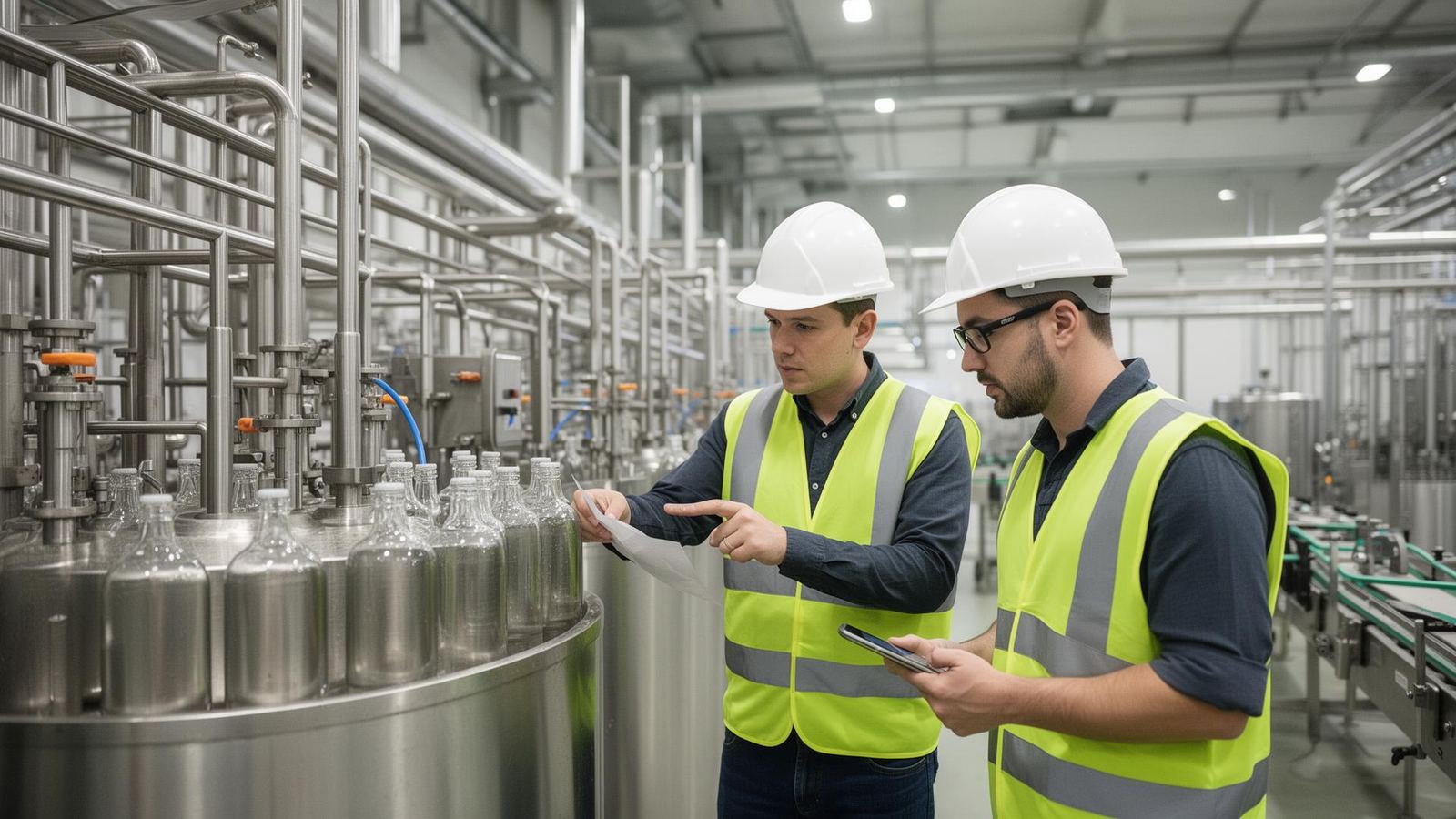
Brewery capacity requirements vary enormously. A craft brewery producing 5,000 hectolitres per year needs a very different line than a regional brewery producing 500,000 hl. The table below provides general guidance:
| Annual Production | Recommended Line Speed | Typical Configuration |
|---|---|---|
| 1,000–5,000 hl/year | 1,000–2,000 BPH / 30–60 CPM | Semi-automatic mono-bloc or small rotary |
| 5,000–20,000 hl/year | 3,000–6,000 BPH / 60–150 CPM | Automatic rotary filler with integrated capper |
| 20,000–100,000 hl/year | 8,000–20,000 BPH / 150–400 CPM | Full automatic line with depalletiser and palletiser |
| 100,000+ hl/year | 20,000+ BPH / 400+ CPM | High-speed integrated line from major manufacturer |
Frequently asked questions
How much does a used craft beer canning line cost?
Entry-level used canning lines (20–40 cans per minute) start from €40,000–€80,000. Mid-range systems (60–150 CPM) typically cost €80,000–€250,000. High-speed rotary canning lines (200+ CPM) from major manufacturers can range from €200,000 to over €500,000.
Can I use the same filler for beer and cider?
Yes, in most cases. Both products are carbonated and require counter-pressure filling. However, cider with higher acidity may require checking gasket material compatibility. The same filler, capper, and labeller can typically handle both products with minimal adjustment.
What is the minimum equipment needed to start a craft brewery bottling operation?
At minimum, you need a counter-pressure filler, a crown capper (or can seamer for cans), and a labeller. Many small breweries start with a mono-bloc unit that combines rinsing, filling, and capping in one machine. Add a simple conveyor system and you have a functional line.
How important is a pasteuriser for craft beer?
It depends on your distribution model. If selling locally and keeping beer cold-chain, pasteurisation may not be needed. For wider distribution or export, tunnel pasteurisation provides shelf stability of 6–12 months. Flash pasteurisation is an alternative that requires less space and investment.